
This article contains promotional content.
What to Wear in Japan in July: Weather & Packing Guide
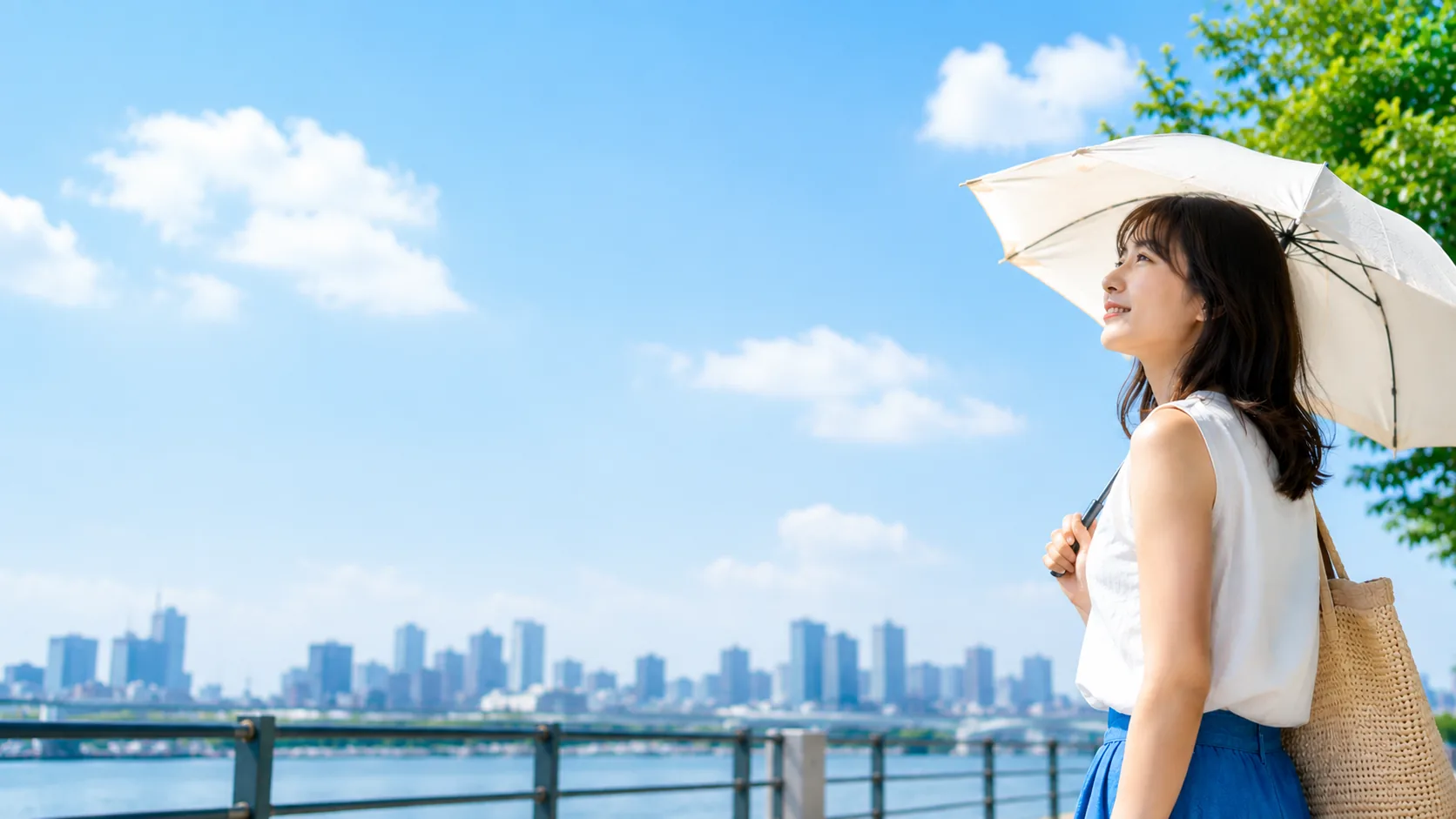
Planning a July trip to Japan? How much you enjoy it often comes down to one thing: how well you prepare for the heat and humidity. July in Japan is hot and humid, with a rainy first half — the tsuyu rainy season — that gives way to strong sun and full midsummer heat later in the month.
It's also peak festival season, so alongside everyday sightseeing you might find yourself at a fireworks show or a summer matsuri. As someone who lives in Japan, I'll walk you through July's weather in Tokyo, Osaka, and Fukuoka, and exactly what to wear and pack — including a few local tricks for staying cool.
- July 8, 2026 Published Article first posted.
How hot is Japan in July?
"Hotter than the numbers": a hot, humid summer
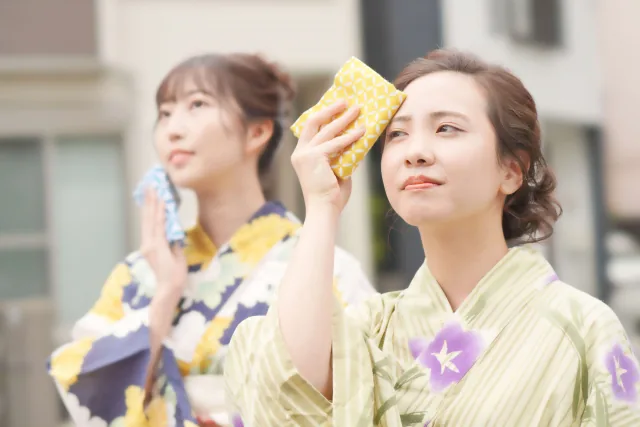
July is one of the stickiest, most humid times of the year in Japan. Temperatures actually peak in August, but July's air holds so much moisture that it feels even hotter than the thermometer suggests. If you're used to a dry heat, Japan's clingy, humid warmth can catch you off guard.
The reason is the high humidity. Sweat cools you by evaporating and carrying heat away from your body, but when humidity is high, sweat doesn't evaporate easily, so your body struggles to cool down and the heat feels far more punishing.
On top of that, big cities like Tokyo, Osaka, and Fukuoka heat up easily thanks to concrete, asphalt, and the heat pouring off countless buildings and cars (the urban heat-island effect). At the same temperature, the city center feels muggier than the coast or the mountains, and the heat lingers well into the night.
Average July temperatures in Tokyo, Osaka, and Fukuoka
Using the Japan Meteorological Agency's climate normals (the 30-year average for 1991–2020), here's roughly what July looks like in these three cities — a good yardstick for Japan's most popular travel destinations.
| City | Avg. temp. | Avg. daytime high | Avg. overnight low | Avg. humidity | Monthly rainfall |
|---|---|---|---|---|---|
| Tokyo | 25.7°C (78°F) | 29.9°C (86°F) | 22.4°C (72°F) | 76% | 156mm |
| Osaka | 27.7°C (82°F) | 31.8°C (89°F) | 24.6°C (76°F) | 70% | 174mm |
| Fukuoka | 27.4°C (81°F) | 31.2°C (88°F) | 24.6°C (76°F) | 75% | 299mm |
Three things stand out from these numbers. First, even in an average year the daytime high reaches around 30°C (86°F), and Osaka runs a little higher. Second, overnight lows still sit around 22–25°C (72–77°F), so the temperature never really drops at night — these are Japan's sticky "tropical nights". If you assume evenings will cool off, you'll still be sweating on night walks and dinners out, so plan accordingly.
Third, humidity of 70–76% is the real reason you sweat just standing still — it can make it feel several degrees hotter than the actual temperature. (Fukuoka's rainfall is especially high because heavy rain tends to fall in early July as the rainy season winds down.)
July: the switch from rainy season to midsummer
One thing every traveler should know is that July in Japan has two faces: the rainy season (tsuyu) and full-blown midsummer. The first half of the month is still the rainy season, with plenty of rainy and cloudy days. In the second half the rains lift, and strong sun and serious heat take over.
In the Kanto, Kansai, and northern Kyushu regions — which include Tokyo, Osaka, and Fukuoka — the rainy season typically ends around July 19 on average. So as a rough picture: early-to-mid July is muggy with more rain and cloud, while late July turns sunny and intensely hot.
That said, the end of the rainy season shifts from year to year. Recent summers in Japan have brought record-breaking heat, with "extreme heat days" (mōshobi) above 35°C no longer unusual, and both the end of the rains and the arrival of severe heat tending to come earlier.
So when planning, assume it might be hotter than the averages and pack a little extra for the heat. Before you leave, check that year's forecast and the outlook for the end of the rainy season.
What to wear in Japan in July
The basics: light, breathable, quick-drying clothes
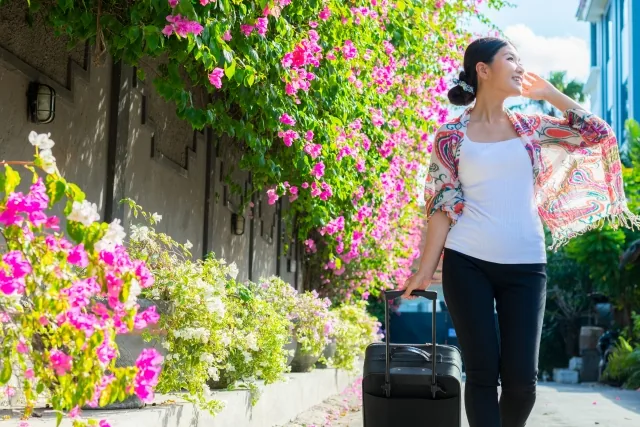
The foundation of dressing for a comfortable July in Japan is light, breathable clothing in quick-drying fabrics. Assume you'll sweat, and choose clothes that won't cling to your skin — that's the one thing that matters most.
Natural fabrics like cotton and linen work well, as do quick-drying technical fabrics such as polyester. Linen and technical fabrics in particular stay dry-feeling even when you sweat, making them a great match for Japan's humid summer.
A local trick worth stealing: wear a moisture-wicking innerwear layer under your top — Uniqlo's "AIRism" is the go-to here. It pulls sweat away far better than bare skin against cotton, and you'll find it in almost any Uniqlo or GU store once you arrive.
When it comes to fit, loose, airy designs feel cooler than tight-fitting clothes. Color matters more than you'd think, too: dark colors like black absorb the sun's heat, so on days with a lot of outdoor walking, lighter colors — white, beige, or pale blue — help keep the heat off.
On sweaty days, pairing your outfit with the sweat- and odor-care products you can buy in Japan keeps you fresh and comfortable all day.
Choosing tops, bottoms, and shoes
For tops, short-sleeve T-shirts or shirts are the basics, and a fabric that doesn't get sticky with sweat is even better. One cultural note: shorts and short skirts are perfectly fine, but exposed shoulders and low necklines are less common in Japan, and modest dress is appreciated at temples and shrines. A light layer you can throw over your shoulders covers both the etiquette and the fierce indoor air conditioning.
For bottoms, lightweight, breathable pants, or a skirt or dress around knee length, are ideal. A loose design that won't stick to your skin when you sweat makes long days of walking less tiring.
And the item people overlook most: shoes. Sightseeing in Japanese cities means station transfers and plenty of walking, often many kilometers a day, so broken-in sneakers are your best bet. There's a second reason to choose easy footwear: you'll take your shoes off often — at temples, traditional restaurants, and ryokan inns — so slip-on styles and socks without holes save a lot of hassle. Sandals are cool, but on crowded days or long walks, comfort wins and helps prevent blisters.
Bonus: yukata for summer festivals
July is the heart of matsuri (festival) season — Kyoto's Gion Matsuri runs the entire month, and riverside fireworks shows (hanabi) light up evenings from late July. If you're joining one, renting a yukata (a light cotton summer kimono) is a fun and genuinely cool way to take part.
Rental shops in areas like Asakusa in Tokyo, Gion in Kyoto, and Dotonbori in Osaka offer complete sets with dressing help, usually for around ¥3,000–¥5,000. Yukata come with wooden geta sandals, which can be tough on unaccustomed feet — so tuck a pair of comfortable backup shoes in your bag for all the walking and standing.
The surprisingly cold indoors: prepare for air conditioning
One thing that trips travelers up is the temperature gap between indoors and out. In Japan, indoor spaces — trains, subways, department stores, restaurants, and hotels — often run their air conditioning quite strong, cold enough to feel chilly when you come in from the muggy heat outside.
Staying in an air-conditioned space for a long time while you're still sweaty can leave you cold and even under the weather. That's where a light cardigan or shirt, or a large scarf or wrap you can throw on, comes in handy. Pick something compact and light to keep in your bag, and you can switch easily between the hot outdoors and cool indoors.
Long-distance shinkansen and trains can feel especially cold inside, so this extra layer really earns its place on travel days.
Beyond clothing: preparing for heat and rain
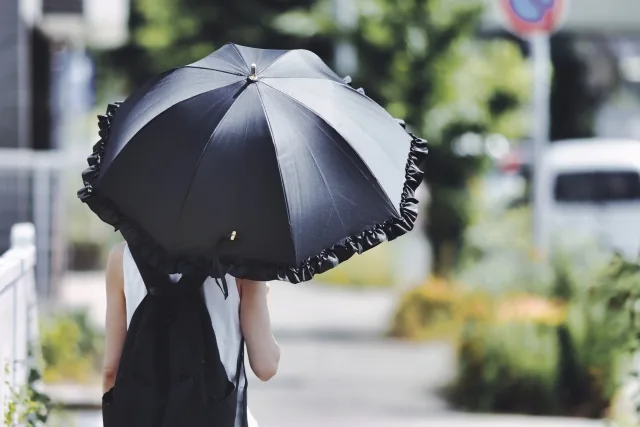
Sun protection: hat, sunscreen, and a parasol
The July sun in Japan is stronger than you might expect, and any sightseeing with a lot of outdoor walking calls for solid sun protection. A hat, sunglasses, and sunscreen are all but essential for July sightseeing in Japan.
A wide-brimmed hat shades your face and neck for extra peace of mind. Sunscreen washes off easily with sweat, so reapply every few hours.
One more distinctly Japanese tactic worth knowing is the parasol (higasa) — a sun umbrella. In Japan it's used by more and more men as well as women, so it's now common regardless of gender. Choose a "rain-or-shine" folding umbrella that works for both, and one item covers sun and rain without adding to your luggage.
It's especially handy where there's little shade or when you're standing in line, so it earns its keep in Japan's summer. Avoiding strong sun whenever you can is the way to keep the heat from draining your energy.
For rain, keep a folding umbrella handy
Beyond the rainy season in early July, sudden heavy rain can hit even after the rains officially end. So it's reassuring to always keep a folding umbrella with you. If your trip overlaps the rainy season especially, prepare a folding umbrella or a light rain jacket for heavier downpours.
The good news is that rain gear is easy to pick up on the spot in Japan. Convenience stores and 100-yen shops sell clear umbrellas, folding umbrellas, and rain ponchos at reasonable prices. If you're caught in a shower, ducking into a nearby convenience store gets you an umbrella right away, so buying locally is a good option if you want to travel light.
Wet shoes and clothes feel even more uncomfortable in the humidity, so being ready for rain matters for staying comfortable, too.
A handy things-to-bring list
Along with clothes and an umbrella, these items make summer sightseeing in Japan even more comfortable. First, the Japanese summer staples: a folding fan or a handheld electric fan. You'll see plenty of people using them around town and while waiting on train platforms.
Next, sweat wipes and antiperspirant — easy to buy at drugstores and convenience stores, and a strong ally against the sticky heat. Don't forget drinks to stay hydrated, either; with vending machines and convenience stores everywhere in Japan, you can top up as you walk.
Many of these can be bought after you arrive, at convenience stores, drugstores, and 100-yen shops, so if you want to save space in your suitcase, consider picking them up locally.
If you spend ¥5,000 or more before tax at the same store, you can also use tax-free shopping to save the 10% consumption tax. Our complete guide to tax-free shopping in Japan walks you through how it works.
Staying comfortable: avoiding heatstroke
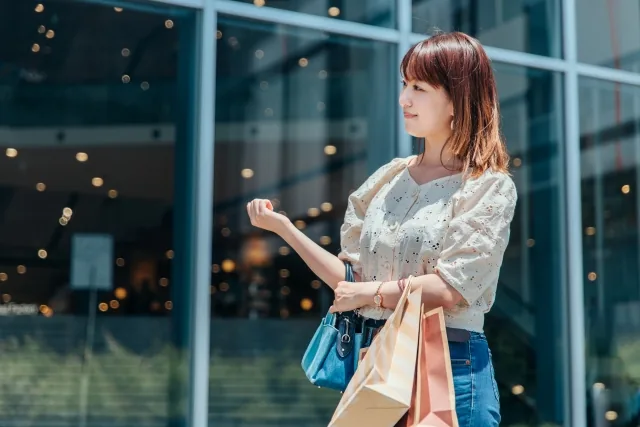
Hydrate, replace salts, and take breaks
July in Japan is muggy, and the risk of heatstroke (a heat-related illness) is high. To keep sightseeing enjoyable, keep a few points in mind.
First and most important: drink fluids often, before you feel thirsty. When you've sweated a lot, replace salts as well as water — with a sports drink or oral rehydration solution. Japan's convenience stores, drugstores, and vending machines sell these drinks and salt-replacement tablets, too.
Second, don't cram too much into one day. During the hottest hours (around noon to 3 p.m.), take it easy and work in breaks at indoor facilities, cafés, or underground malls to keep your energy up.
If you feel even slightly off — dizzy, nauseated, or very tired — rest in a cool place right away. Not overdoing it and taking frequent breaks is the single best way to enjoy Japan's summer to the fullest.
Summary
July in Japan (Tokyo, Osaka, and Fukuoka) is very muggy, with daytime temperatures around 30°C (86°F) and humidity over 70% — the rainy season in the first half, midsummer in the second. The tips for staying comfortable come down to three.
One: make light, breathable, quick-drying clothes your foundation. Two: prepare for both sun and rain. Three: carry one throw-on layer for the surprisingly cold indoors.
Arm yourself with easy items like a folding umbrella, sweat wipes, and a handheld fan, and you can fully enjoy Japan's muggy summer — festivals and all. Before you travel, check the latest forecast and adjust for that year's rainy-season end and heat. Prepare well, and enjoy a wonderful Japanese summer trip!
・Japan Meteorological Agency: Past Weather Data (climate normals, 1991–2020)
・Japan Meteorological Agency: Rainy Season Onset and End Dates (finalized values)
* Temperature, humidity, and rainfall figures are approximate, based on JMA climate normals (30-year average, 1991–2020). "Extreme heat days" (35°C+) and "tropical nights" follow JMA definitions; actual temperatures and weather vary by year. Please check the latest forecast before you travel.
Related articles
8 Must-Buy Japanese Household Items in Japan | Picked by Japanese Locals

Japan Tax-Free Shopping: The Complete Guide (Plus the New Refund System from November 2026)
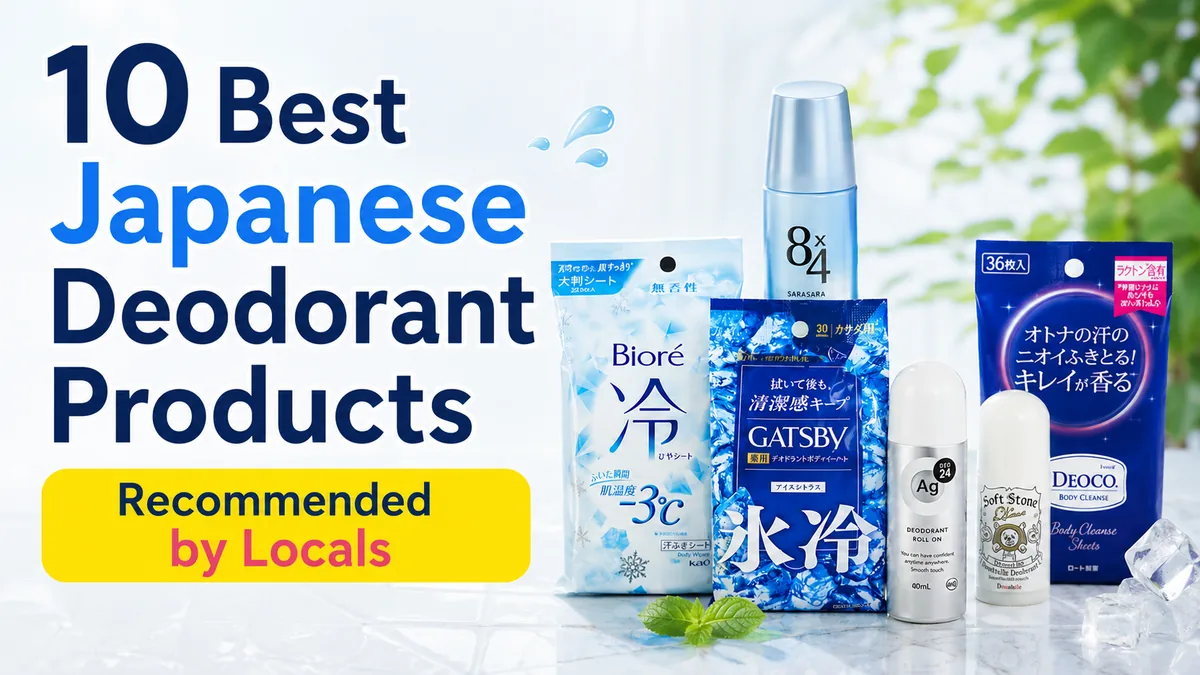
10 Best Japanese Deodorants & Body Wipes for Sweat | Recommended by Locals
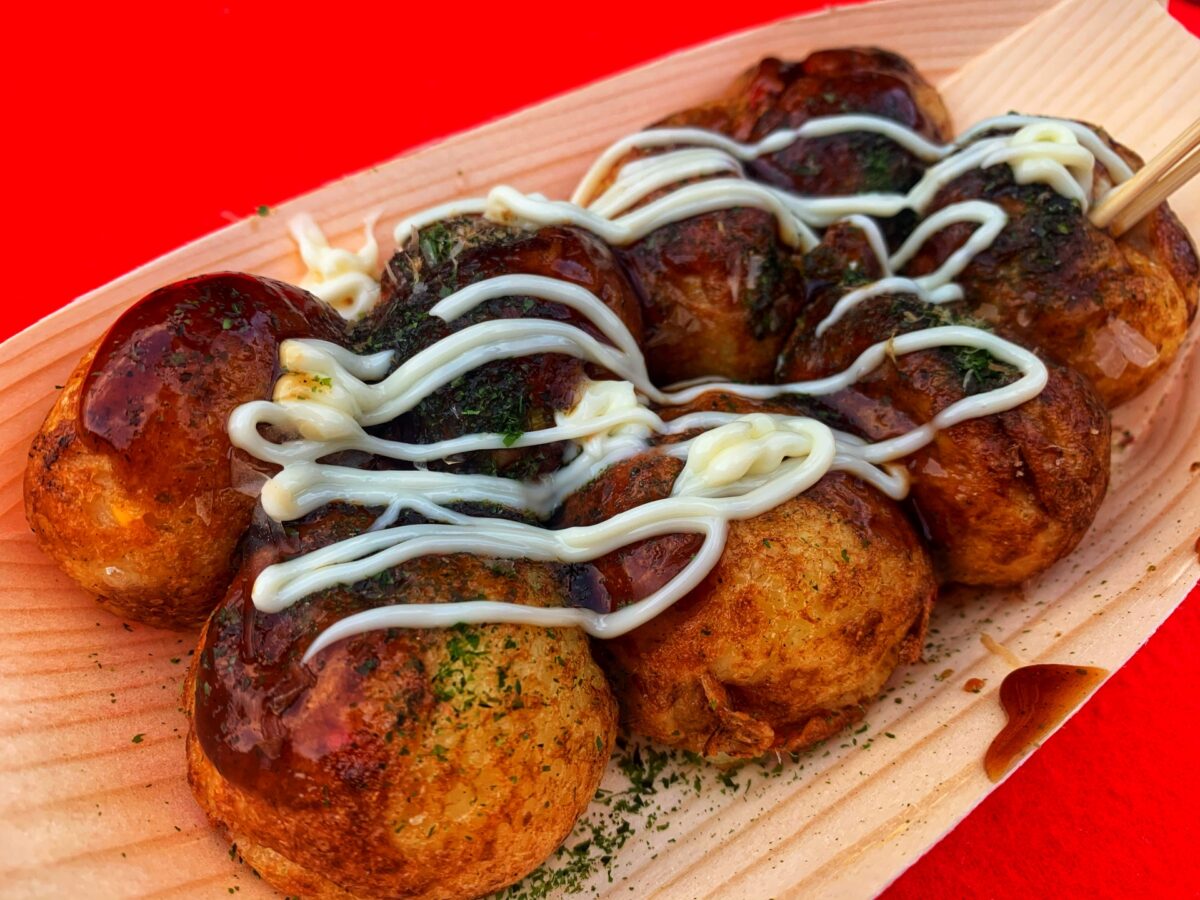
Gintama × Tsukiji Gindaco Collaboration Coming Summer 2026 to Stores Nationwide in Japan

10 Best Japanese Hair Conditioners to Buy in Japan | Picked by Locals

10 Best Japanese Face Washes to Buy in Japan: Local Picks